Hooky The Bookie: Bassmaster Elite Series on Santee Cooper 2023 Odds

Hooky The Bookie: Santee Cooper

The Fantasy Fishing season has kicked off on both major tours and players are always looking for inside information to set their rosters. Best On Tour has tapped one of the original odds makers in the sport of professional bass fishing, Mark Jeffreys, to offer up fantasy fishing odds to help you set your teams. Stay tuned for the inside scoop from “Hooky The Bookie” for future tournaments!

2023 AFTCO Bassmaster Elite at Santee Cooper Lakes Odds:

Angler Name Group Odds
Brandon Card A 6-1
Brandon Cobb A 2-1
Drew Cook A 5-1
Will Davis Jr. A 7-1
Carl Jocumsen A 7-1
Lee Livesay A 7-1
Tyler Rivet A 8-1
Kyle Welcher A 6-1
Clark Wendlandt A 7-1
Greg Hackney A 3-1
Mike Iaconelli A 5-1
Shane LeHew A 8-1
Pat Schlapper A 9-1
John Cox A 4-1
Patrick Walters A 2-1
Cody Huff A 8-1
Brock Mosley A 9-1
Bernie Schultz A 10-1
Matt Arey A 7-1
Drew Benton A 7-1
Kyoya Fujita A 10-1
Joey Cifuentes III B 10-1
Cooper Gallant B 10-1
Gerald Swindle B 12-1
Derek Hudnall B 9-1
Chris Johnston B 9-1
Scott Canterbury B 7-1
Jay Przekurat B 9-1
Keith Combs B 4-1
Stetson Blaylock B 8-1
David Gaston B 8-1
Jonathan Kelley B 12-1
Luke Palmer B 10-1
Bryan Schmitt B 11-1
Steve Kennedy B 4-1
Scott Martin B 7-1
Bryant Smith B 10-1
Austin Felix B 7-1
Kenta Kimura B 8-1
Hunter Shryock B 8-1
Brandon Lester B 7-1
Jason Williamson B 6-1
Bill Lowen C 6-1
Brad Whatley C 9-1
Micah Frazier C 8-1
Jeff Gustafson C 8-1
Bob Downey C 9-1
David Fritts C 18-1
Darold Gleason C 10-1
Mark Menendez C 10-1
Marc Frazier C 8-1
Jake Whitaker C 6-1
John Crews C 7-1
Ray Hanselman C 10-1
Jamie Hartman C 10-1
Wes Logan C 9-1
Clifford Pirch C 9-1
Cory Johnston C 8-1
Brandon Palaniuk C 6-1
Seth Feider C 8-1
Jacob Powroznik C 7-1
Matt Robertson C 10-1
Joseph Webster C 10-1
Cliff Prince D 11-1
Logan Latuso D 9-1
Ed Loughran III D 9-1
Buddy Gross D 6-1
Bradley Hallman D 5-1
Skylar Hamilton D 8-1
Hank Cherry D 5-1
KJ Queen D 8-1
Caleb Kuphall D 9-1
Greg DiPalma D 9-1
Chris Zaldain D 12-1
Justin Atkins D 6-1
Justin Hamner D 7-1
Jason Christie D 5-1
Taku Ito D 8-1
Caleb Sumrall D 8-1
David Mullins D 8-1
Todd Auten D 6-1
Jacob Foutz D 8-1
Masayuki Matsushita D 10-1
Matty Wong D 10-1
Gary Clouse E 15-1
Rick Clunn E 12-1
Josh Douglas E 15-1
Matt Herren E 8-1
Cole Sands E 12-1
Josh Stracner E 14-1
Bryan New E 7-1
Kyle Norsetter E 11-1
Alex Redwine E 14-1
David Williams E 15-1
Clent Davis E 10-1
Mike Huff E 12-1
Koby Kreiger E 10-1
Paul Mueller E 12-1
Larry Nixon E 15-1
Chad Pipkens E 14-1
Keith Poche E 7-1
John Soukup E 10-1
Frank Talley E 12-1
Alex Wetherell E 15-1

How Do Betting Odds Work?

Betting odds represent the probability of an event occurring and are typically displayed as a ratio or a fraction. The odds indicate how much money a bettor would hypothetically win based on their wager.

For example, if the odds for a particular angler are 2:1, it means that for every dollar a bettor wagers, they will win two dollars if that angler wins the tournament. In other words, if you bet $10 on an angler with 2:1 odds and win, you would receive $20 in winnings plus your original $10 bet back.

In general, the “higher” the odds, the lower the probability of that outcome occurring. So an angler with 2:1 odds is considered more likely to win a tournament than one with 10:1 odds.

The betting odds presented on this website are for entertainment and informational purposes only. We do not accept bets on this platform nor do we promote illegal gambling activities. It is important to gamble responsibly and within the legal guidelines of your jurisdiction.

Hooky The Bookie: Bassmaster Elite Series on Lake Murray 2023 Odds

Hooky The Bookie: Lake Murray

The Fantasy Fishing season has kicked off on both major tours and players are always looking for inside information to set their rosters. Best On Tour has tapped one of the original odds makers in the sport of professional bass fishing, Mark Jeffreys, to offer up fantasy fishing odds to help you set your teams. Stay tuned for the inside scoop from “Hooky The Bookie” for future tournaments!

2023 Marathon Bassmaster Elite at Lake Murray Odds:

Angler Name Group Odds
Brandon Card A 5-1
Joey Cifuentes III A 7-1
Brandon Cobb A 5-1
Drew Cook A 4-1
Will Davis Jr. A 9-1
Cooper Gallant A 8-1
Carl Jocumsen A 6-1
Lee Livesay A 9-1
Tyler Rivet A 9-1
Gerald Swindle A 8-1
Kyle Welcher A 6-1
Clark Wendlandt A 5-1
Greg Hackney A 7-1
Mike Iaconelli A 5-1
Shane LeHew A 9-1
Bill Lowen A 8-1
Pat Schlapper A 10-1
John Cox A 8-1
Derek Hudnall A 10-1
Chris Johnston A 8-1
Scott Canterbury B 9-1
Jay Przekurat B 10-1
Patrick Walters B 3-1
Brad Whatley B 9-1
Keith Combs B 10-1
Micah Frazier B 5-1
Jeff Gustafson B 6-1
Cody Huff B 8-1
Brock Mosley B 7-1
Cliff Prince B 9-1
Bernie Schultz B 10-1
Matt Arey B 5-1
Stetson Blaylock B 6-1
Bob Downey  B 8-1
David Fritts B 15-1
David Gaston B 5-1
Darold Gleason B 11-1
Jonathan Kelley B 15-1
Luke Palmer B 11-1
Drew Benton B 5-1
Kyoya Fujita B 8-1
Mark Menendez B 10-1
Bryan Schmitt B 9-1
Marc Frazier C 5-1
Steve Kennedy C 6-1
Logan Latsuo C 11-1
Ed Loughran III C 9-1
Jake Whitaker C 5-1
John Crews C 6-1
Buddy Gross C 7-1
Bradley Hallman C 8-1
Skylar Hamilton C 6-1
Ray Hanselman C 10-1
Jamie Hartman C 10-1
Scott Martin C 8-1
Hank Cherry C 7-1
Wes Logan C 10-1
Clifford Pirch C 8-1
KJ Queen C 7-1
Bryant Smith C 12-1
Austin Felix C 7-1
Kenta Kimura C 8-1
Hunter Schryock C 7-1
Cory Johnston C 4-1
Caleb Kuphall D 5-1
Brandon Palaniuk D 5-1
Gary Clouse D 12-1
Greg DiPalma D 10-1
Brandon Lester D 9-1
Jason Williamson D 7-1
Chris Zaldain D 10-1
Justin Atkins D 8-1
Rick Clunn D 15-1
Josh Douglas D 8-1
Seth Fieder D 10-1
Justin Hamner D 8-1
Matt Herren D 9-1
Jacob Powroznik D 6-1
Matt Robertson D 12-1
Joseph Webster D 10-1
Jason Christie D 4-1
Taku Ito D 8-1
Cole Sands D 8-1
Josh Stracner D 10-1
Caleb Sumrall D 9-1
David Mullins E 9-1
Bryan New E 6-1
Kyle Norsetter E 10-1
Alex Redwine E 15-1
David Williams E 8-1
Todd Auten E 9-1
Clent Davis E 9-1
Jacob Foutz E 8-1
Mike Huff E 10-1
Koby Krieger E 10-1
Masayuki Matsushita E 9-1
Paul Mueller E 8-1
Larry Nixon E 15-1
Chad Pipkens E 9-1
Keith Poche E 8-1
John Soukup E 9-1
Frank Talley E 12-1
Alex Wetherell E 12-1
Maty Wong E 15-1


How Do Betting Odds Work?

Betting odds represent the probability of an event occurring and are typically displayed as a ratio or a fraction. The odds indicate how much money a bettor would hypothetically win based on their wager.

For example, if the odds for a particular angler are 2:1, it means that for every dollar a bettor wagers, they will win two dollars if that angler wins the tournament. In other words, if you bet $10 on an angler with 2:1 odds and win, you would receive $20 in winnings plus your original $10 bet back.

In general, the “higher” the odds, the lower the probability of that outcome occurring. So an angler with 2:1 odds is considered more likely to win a tournament than one with 10:1 odds.

The betting odds presented on this website are for entertainment and informational purposes only. We do not accept bets on this platform nor do we promote illegal gambling activities. It is important to gamble responsibly and within the legal guidelines of your jurisdiction.

Hooky The Bookie: Bassmaster Classic Odds

Hooky The Bookie: Bassmaster Classic 2023

Need help picking your Fantasy Fishing team for the 2023 Bassmaster Classic on the Tennessee River in Knoxville? Best On Tour has tapped one of the original odds makers in the sport of professional bass fishing, Mark Jeffreys, to offer up fantasy fishing odds to help you set your teams. Stay tuned for the inside scoop from “Hooky The Bookie” for future tournaments!

2023 Bassmaster Classic Odds:

Angler Name Group Odds
 Stetson Blaylock A 7-1
 Brandon Card A 6-1
 Jason Christie A 4-1
 Seth Feider A 10-1
 Jeff Gustafson A 7-1
 Greg Hackney A 6-1
 Chris Johnston A 7-1
 Brandon Lester A 5-1
 David Mullins A 6-1
 Brandon Palaniuk A 6-1
 Chris Zaldain A 11-1
 Matt Arey B 7-1
 Drew Benton B 5-1
 Drew Cook B 6-1
 John Cox B 6-1
 Buddy Gross B 4-1
 Cory Johnston B 7-1
 Lee Livesay B 8-1
 Brock Mosley B 9-1
 Bryan New B 4-1
 Gerald Swindle B 8-1
 Patrick Walters B  4-1
 Scott Canterbury C  6-1
 Brandon Cobb C  7-1
 Keith Combs C  8-1
 Bob Downey C  10-1
 Austin Felix C  8-1
 Taku Ito C  7-1
 Scott Martin C  6-1
 Keith Poche C  8-1
 Jacob Powroznik C  9-1
 Matthew Robertson C  15-1
 Bryan Schmitt C  10-1
 Will Davis Jr. D  16-1
 Marc Frazier D  6-1
 Cooper Gallant D  8-1
 Kenta Kimura D  9-1
 Caleb Kuphall D  8-1
 Luke Palmer D  9-1
 Clifford Pirch D  8-1
 Jay Przekurat D  10-1
 KJ Queen D  9-1
 Tyler Rivet D  9-1
 Pat Schlapper D  15-1
 Wil Dieffenbauch E  20-1
 Jonathan Dietz E  25-1
 Cody Huff E  9-1
 Carl Jocumsen E  9-1
 Shane Lehew E 7-1
 Tristan McCormick E  6-1
 Louis Monetti E  14-1
 Chad Pipkens E  9-1
 Casey Smith E  10-1
 Collin Smith E  11-1
 JT Thompkins E  10-1


How Do Betting Odds Work?

Betting odds represent the probability of an event occurring and are typically displayed as a ratio or a fraction. The odds indicate how much money a bettor would hypothetically win based on their wager.

For example, if the odds for a particular angler are 2:1, it means that for every dollar a bettor wagers, they will win two dollars if that angler wins the tournament. In other words, if you bet $10 on an angler with 2:1 odds and win, you would receive $20 in winnings plus your original $10 bet back.

In general, the “higher” the odds, the lower the probability of that outcome occurring. So an angler with 2:1 odds is considered more likely to win a tournament than one with 10:1 odds.

The betting odds presented on this website are for entertainment and informational purposes only. We do not accept bets on this platform nor do we promote illegal gambling activities. It is important to gamble responsibly and within the legal guidelines of your jurisdiction.

Hooky The Bookie: Elite Series at Lake Seminole Odds

Introducing: Hooky The Bookie

The Fantasy Fishing season has kicked off on both major tours and players are always looking for inside information to set their rosters. Best On Tour has tapped one of the original odds makers in the sport of professional bass fishing, Mark Jeffreys, to offer up fantasy fishing odds to help you set your teams. Stay tuned for the inside scoop from “Hooky The Bookie” for future tournaments!

2023 Gamakatsu Bassmaster Elite at Lake Seminole Odds:

Angler Name Group Odds
Scott Canterbury A  6-1
Brandon Card A  5-1
Joey Cifuentes III A  20-1
Brandon Cobb A  5-1
Drew Cook A  6-1
Will Davis Jr. A  10-1
Marc Frazier A  4-1
Cooper Gallant A  8-1
Carl Jocumsen A  9-1
Steve Kennedy A  5-1
Logan Latuso A  10-1
Lee Livesay A  9-1
Ed Loughran III A  10-1
Jay Przekurat A  11-1
Tyler Rivet A  9-1
Gerald Swindle A  7-1
Patrick Walters A  3-1
Kyle Welcher A  5-1
Clark Wendlandt A  6-1
Brad Whatley A  14-1
Jake Whitaker A  9-1
Keith Combs B  9-1
John Crews B  8-1
Micah Frazier B  4-1
Buddy Gross B  8-1
Jeff Gustafson B  7-1
Greg Hackney B  6-1
Bradley Hallman B  7-1
Skylar Hamilton B  6-1
Ray Hanselman B  10-1
Jamie Hartman B  10-1
Cody Huff B  10-1
Mike Iaconelli B  8-1
Caleb Kuphall B  7-1
Shane LeHew B  9-1
Bill Lowen B  9-1
Scott Martin B  6-1
Brock Mosley B  9-1
Brandon Palaniuk B  6-1
Cliff Prince B  7-1
Pat Schlapper B  18-1
Bernie Schultz B  9-1
Matt Arey C  10-1
Stetson Blaylock C  9-1
Hank Cherry C  8-1
Gary Clouse C  11-1
John Cox C  5-1
Greg DiPalma C  12-1
Bob Downey C 15-1
David Fritts C  19-1
David Gaston C  11-1
Darold Gleason C  8-1
Derek Hudnall C  9-1
Chris Johnston C  8-1
Jonathan Kelley C  17-1
Brandon Lester C  9-1
Wes Logan C  7-1
Luke Palmer C  10-1
Clifford Pirch C  7-1
KJ Queen C  9-1
Bryant Smith C  16-1
Jason Williamson C  9-1
Chris Zaldain C  9-1
Justin Atkins D  6-1
Drew Benton D  3-1
Rick Clunn D  12-1
Josh Douglas D  8-1
Seth Feider D 13-1
Austin Felix D  8-1
Kyoya Fujita D  10-1
Justin Hamner D  8-1
Matt Herren D  9-1
Kenta Kimura D  9-1
Mark Menendez D  11-1
David Mullins D  9-1
Bryan New D  4-1
Kyle Norsetter D  12-1
Jacob Powroznik D  10-1
Alex Redwine D  15-1
Matt Robertson D 16-1
Bryan Schmitt D  10-1
Hunter Shryock D  8-1
Joseph Webster D  7-1
David Williams D  8-1
Todd Auten E  6-1
Jason Christie E  5-1
Clent Davis E  6-1
Jacob Foutz E  7-1
Mike Huff E  10-1
Taku Ito E  9-1
Cory Johnston E  8-1
Koby Kreiger E  10-1
Masayuki Matsushita E  11-1
Paul Mueller E  12-1
Larry Nixon E  19-1
Chad Pipkens E  12-1
Keith Poche E  7-1
Cole Sands E  10-1
John Soukup E  11-1
Josh Stracner E  8-1
Caleb Sumrall E  9-1
Frank Talley E  14-1
Alex Wetherell E  12-1
Matty Wong E  25-1


How Do Betting Odds Work?

Betting odds represent the probability of an event occurring and are typically displayed as a ratio or a fraction. The odds indicate how much money a bettor would hypothetically win based on their wager.

For example, if the odds for a particular angler are 2:1, it means that for every dollar a bettor wagers, they will win two dollars if that angler wins the tournament. In other words, if you bet $10 on an angler with 2:1 odds and win, you would receive $20 in winnings plus your original $10 bet back.

In general, the “higher” the odds, the lower the probability of that outcome occurring. So an angler with 2:1 odds is considered more likely to win a tournament than one with 10:1 odds.

The betting odds presented on this website are for entertainment and informational purposes only. We do not accept bets on this platform nor do we promote illegal gambling activities. It is important to gamble responsibly and within the legal guidelines of your jurisdiction.

2023 Tournament Payouts

2023 Tournament Payouts

With what seems like an endless buffet of tournament options available to participate in, making the right choice from a financial perspective on which ones to enter can prove to be a daunting task.  Simply breaking down the entry fee to payout ratio can prove helpful in making a decision. There are many different semi-pro tour level events, and most of these events provide paths to making it to the pro-level which can also be a factor in your decision making if ascending the ranks is one of your goals.  Let’s take a look at a few of the options available in 2023.

MLF Phoenix Bass Fishing League
The MLF Phoenix Bass Fishing League is a great way to start your career as a bass angler and not have to travel far to do so. Anglers can fish as a boater or a non-boater, and pairings are determined through a random draw the night before the tournament. This tournament trail has 24 divisions with 4 qualifiers and a 2-day super tournament in each division. However, the payouts below are just for the single day qualifiers.

**Based on 200 boats**

Boater                                                                                                             Co-Angler

Entry Fee: $220                                                                                             Entry Fee: $110

1st place: $6,000 plus Phoenix Bonus up to $7,000                                 1st place: $3,000

2nd place: $3,000                                                                                             2nd place: $1,500

3rd place: $2,000                                                                                             3rd place: $1,000

4th place: $1,400                                                                                             4th place: $700

5th place: $1,200                                                                                             5th place: $600

6th place: $1,100                                                                                             6th place: $550

7th place: $1,000                                                                                             7th place: $500

8th place: $900                                                                                                8th place: $450

9th place: $800                                                                                                9th place: $400

10th place: $700                                                                                              10th place: $350

11th place: $630                                                                                              11th place: $315

12th place: $580                                                                                              12th place: $290

13th place: $56 0                                                                                              13th place: $280

14th place: $530                                                                                              14th place: $265

15th place: $500                                                                                              15th place: $250

16th place: $480                                                                                              16th place: $240

17th place: $460                                                                                              17th place: $230

18th place: $440                                                                                              18th place: $220

19th place: $420                                                                                              19th place: $210

20th place: $400                                                                                              20th place: $200

21st place: $390                                                                                               21st place: $195

22nd place: $380                                                                                              22nd place: $190

23rd place: $370                                                                                              23rd place: $185

24th place: $360                                                                                              24th place: $180

25th place: $350                                                                                              25th place: $175

26th place: $340                                                                                              26th place: $170

27th place: $330                                                                                              27th place: $165

28th place: $320                                                                                              28th place: $160

29th place: $310                                                                                              29th place: $155

30th place: $300                                                                                              30th place: $150

31st place: $290                                                                                               31st place: $145

32nd place: $280                                                                                              32nd place: $140

33rd place: $270                                                                                              33rd place: $135

34th place: $260                                                                                              34th place: $130

35th place: $250                                                                                              35th place: $125

36th place: $240                                                                                              36th place: $120

37th place: $230                                                                                              37th place: $115

38th place: $220                                                                                              38th place: $110

39th place: $210                                                                                              39th place: $105

40th place: $200                                                                                              40th place: $100

Big Bass: $1,000                                                                                             Big Bass: $500


MLF Toyota Series
The MLF Toyota Series is the step below the MLF Tackle Warehouse Invitationals. Like the BFLs, anglers can choose to either fish as a boater or a non-boater. There are 6 divisions with 3 tournaments in each division plus a championship that the top 25 boaters and top 25 non-boaters qualify for. Top prize for the championship is $235,000 plus REDCREST invitation for boaters, and a Phoenix 518 Pro with 115 HP Mercury valued at $33,500 for co-anglers. Check out the divisional payouts below.

**Based on 260 boats**

Boater                                                                                                             Co-Angler

Entry Fee: $1,700                                                                                          Entry Fee: $550

1st place: $65,000 plus $35,000 Phoenix Bonus                                       1st place: $38,500

2nd place: $27,500                                                                                           2nd place: $8,000

3rd place: $18,000                                                                                           3rd place: $6,500

4th place: $16,000                                                                                           4th place: $5,000

5th place: $15,000                                                                                           5th place: $4,500

6th place: $11,500                                                                                           6th place: $3,750

7th place: $10,000                                                                                           7th place: $3,250

8th place: $8,500                                                                                             8th place: $2,500

9th place: $7,500                                                                                             9th place: $1,800

10th place: $5,500                                                                                           10th place: $1,600

11th place: $5,000                                                                                           11th place: $1,200

12th place: $4,250                                                                                           12th place: $1,200

13th place: $3,750                                                                                           13th place: $1,200

14th place: $3,750                                                                                           14th place: $1,200

15th place: $3,750                                                                                           15th place: $1,200

16th-20th: $3,750                                                                                              16th-20th: $1,000

21st-25th: $3,000                                                                                              21st-25th: $850

26th-30th: $2,700                                                                                              26th-30th: $800

31st-40th: $2,350                                                                                              31st-40th: $725

41st-45th: $2,300                                                                                              41st-45th: $700

46th-50th: $2,250                                                                                              46th-50th: $675

51st-55th: $2,200                                                                                              51st-55th: $600

56th-60th: $2,100                                                                                              56th-60th: $570

61st-65th: $2,000                                                                                              61st-65th: $550

Day 1 Big Bass: $500                                                                                     Day 1 Big Bass: $150

Day 2 Big Bass: $500                                                                                     Day 2 Big Bass: $150


MLF Tackle Warehouse Invitationals

The MLF Tackle Warehouse Invitationals is the step below the Bass Pro Tour. Anglers must qualify for the Invitationals through the Toyota Series to have a shot at making it to the top level. The Invitationals consist of 6 tournaments that last 3 days. Below are the payouts for those tournaments.

**Based on 150 anglers**

Entry Fee: $5,000

1st place: $115,000 plus REDCREST Invitation

2nd place: $50,000

3rd place: $20,000

4th place: $18,000

5th place: $17,000

6th place: $16,000

7th place: $15,000

8th place: $14,000

9th place: $13,000

10th place: $12,000

11th-30th: $10,000

31st-50th: $8,000

Day 1 Big Bass: $1,000

Day 2 Big Bass: $1,000


BASS St. Croix Bassmaster Opens
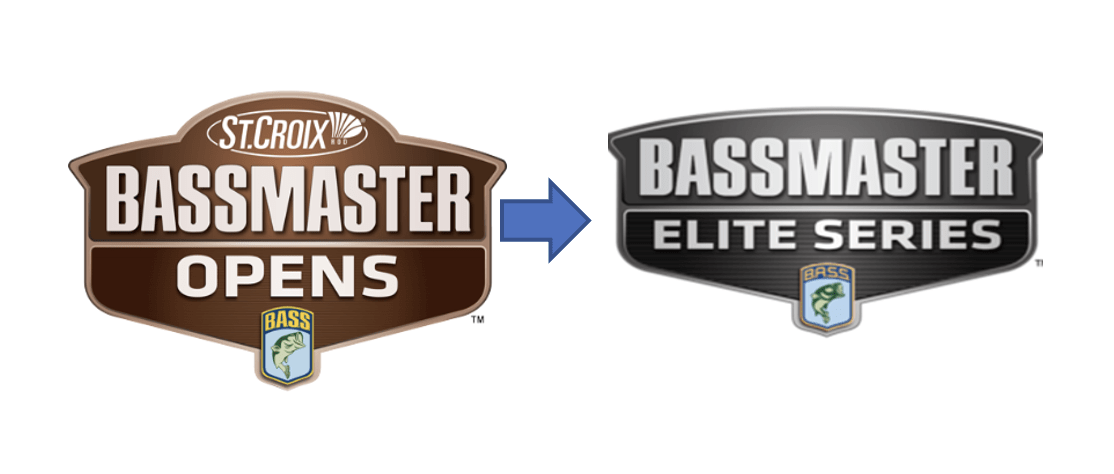
The Bassmaster Opens is the pathway to the Bassmaster Elite Series, and boaters must fish all 9 tournaments to qualify. However, a boater can qualify for the Bassmaster Classic through fishing one division if he or she wins an event. There are 3 divisions with 3 tournaments in each. Below are the payouts for each tournament, for boaters and non-boaters.

**Based on 200 anglers**                                                                  **Based on 150 anglers**

Boater                                                                                                 Co-Angler

Entry Fee: $1,800                                                                              Entry Fee: $475

1st place: $46,667                                                                                1st place: $17,000

2nd place: $22,667                                                                               2nd place: $4,000

3rd place: $16,000                                                                               3rd place: $3,000

4th place: $13,333                                                                               4th place: $2,250

5th place: $11,600                                                                               5th place: $2,100

6th place: $10,667                                                                               6th place: $2,000

7th place: $10,000                                                                               7th place: $1,900

8th place: $9,333                                                                                 8th place: $1,800

9th place: $7,333                                                                                 9th place: $1,650

10th place: $6,000                                                                               10th place: $1,500

11th place: $5,333                                                                               11th place: $1,400

12th place: $4,667                                                                               12th place: $1,300

13th place: $3,667                                                                               13th place: $1,100

14th place: $3,667                                                                               14th place: $1,000

15th place: $3,667                                                                               15th place: $900

16th place: $3,667                                                                               16th place: $800

17th place: $3,667                                                                               17th place: $750

18th place: $3,667                                                                               18th place: $750

19th place: $3,667                                                                               19th place: $750

20th place: $3,667                                                                               20th place: $750

21st place: $3,333                                                                                21st place: $700

22nd place: $3,333                                                                               22nd place: $700

23rd place: $3,333                                                                               23rd place: $700

24th place: $3,333                                                                               24th place: $700

25th place: $3,333                                                                               25th place: $700

26th place: $3,067                                                                               26th place: $600

27th place: $3,067                                                                               27th place: $600

28th place: $3,067                                                                               28th place: $600

29th place: $3,067                                                                               29th place: $600

30th place: $3,067                                                                               30th place: $600

31st place: $3,067                                                                                31st place: $550

32nd place: $3,067                                                                               32nd place: $550

33rd place: $3,067                                                                               33rd place: $550

34th place: $3,067                                                                               34th place: $550

35th place: $3,067                                                                               35th place: $550

36th place: $3,067                                                                               36th place: $550

37th place: $3,067                                                                               37th place: $550

38th place: $3,067                                                                               38th place: $550

39th place: $3,067                                                                               39th place: $550

40th place: $3,067                                                                               40th place: $550

The Pressure of being a Bassmaster Classic winner

The Pressure of Being a Bassmaster Classic Winner

It is obvious that winning a Bassmaster Classic brings a lot of publicity to an angler. Ask any past winner of a Classic and he will tell you the same thing, that winning a classic is life changing. Of course, a $300,000 winning purse is life-changing, but the money is not the only reason an angler’s life has changed after winning a Classic. The publicity that an angler gets after winning a Classic is what changes their life forever. There is a reason why many people call it “the Super Bowl of bass fishing”. It is because nobody will forget a Bassmaster Classic winner. As media platforms are more present now than they have ever been, it seems difficult for a recent Classic champ to not be distracted by interviews, phone calls, and sponsorship responsibilities. Let’s look at which Bassmaster Classic champs in the last 20 years have handled the pressure with great follow-up finishes.

There have been 4 top 10 finishes in the last 20 years from a Bassmaster Classic champion in the tournament following their Classic win. Those four with a top ten finish are highlighted in bold below. These top 10 finishes are from Jordan Lee (2018), Kevin VanDam (2011 & 2005), and Michael Iaconelli (2003). Is it a coincidence that these anglers just so happen to have won AOY titles on major tour-level platforms? We think not. Anglers who can handle the pressure are the ones who will be the most successful.

Classic Champs (Last 20 years)

2022 Champ: Jason Christie

Next Tournament: Santee Cooper Lakes

Place: 93


2021 Champ: Hank Cherry

Next Tournament: Lake Champlain

Place: 69


2020 Champ: Hank Cherry

Next Tournament: Lake Eufaula (3 months later due to COVID)

Place: 18


2019 Champ: Ott Defoe

Next Tournament: BPT at Kissimmee Chain

Place: 16


2018 Champ: Jordan Lee

Next Tournament: Grand Lake

Place: 10


2017 Champ: Jordan Lee

Next Tournament: Toledo Bend

Place: 38


2016 Champ: Edwin Evers

Next Tournament: St. Johns River

Place: 16


2015 Champ: Casey Ashley

Next Tournament: Sabine River

Place: 44


2014 Champ: Randy Howell

Next Tournament: Lake Seminole

Place: 106


2013 Champ: Cliff Pace

Next Tournament: Sabine River

Place: 28


2012 Champ: Chris Lane

Next Tournament: St. Johns River

Place: 33


2011 Champ: Kevin VanDam

Next Tournament: Harris Chain of Lakes

Place: 4


2010 Champ: Kevin VanDam

Next Tournament: California Delta

Place: 29


2009 Champ: Skeet Reese

Next Tournament: Lake Amistad

Place: 22


2008 Champ: Alton Jones

Next Tournament: Harris Chain of Lakes

Place: 37


2007 Champ: Boyd Duckett

Next Tournament: Lake Amistad

Place: 93


2006 Champ: Luke Clausen

Next Tournament: Lake Okeechobee

Place: 80


2005: Champ: Kevin VanDam

Next Tournament: Table Rock Lake

Place: 2


2004 Champ: Takahiro Omori

Next Tournament: Tennessee-Tombigbee Waterway

Place: 41


2003 Champ: Michael Iaconelli

Next Tournament: Harris Chain of Lakes

Place: 4


9 Must have maintenance tips for an angler

Maintenance tips for any season

Have you ever had things go wrong out on the water? Let’s say you broke a rod on a hookset, your reel suddenly started messing up, or worse. Maybe your trolling motor or outboard motor fails and ruins your day of fishing. These are just a few things that could go wrong on the water, but you get the point. To prevent or reduce the chance of your equipment failing you and ruining your day, it is important to go through the maintenance process during the off-season. We will split up this maintenance blog into two different categories: (1) fishing equipment maintenance and (2) boat/trailer maintenance.

Fishing Equipment Maintenance

  1. Rods
  • Rods seem like a simple piece of equipment that doesn’t need to be maintained, but this could not be further from the truth.
  • We recently caught up with Denali Rods Pro Michael Neal who gave us a few quick tips on getting your rods ready for the new season. “The first thing I do is take a Q-Tip cotton swab and run it through all of the guides to check for any cracks, or rough spots that may fray my line. While I’m doing that I check the tip of the rod to make sure it is properly aligned, and still secure. Next I move down the rod looking for any small cracks or nicks in the blank that might compromise it. Then I finish the inspection off by making sure the reel seat is in good shape, and tightens up like it should. Those are some very simple things that everyone can do to make sure your rods are in great shape for the season” said Neal.
  • Cleaning the reel seat with rubbing alcohol can be very effective also. Dirt and grime can get caught up in the reel seat and on the reel very quickly.
  1. Reels
  • Just as cleaning your reel seat on the rod can be effective, cleaning the reel itself should also be a priority.
  • While it may be easy to clean the outside of the reel, cleaning the inside of the reel can be a little more difficult. Adding a drop of reel oil on the bearings can increase the performance of a reel tremendously. To do this correctly, click the link to this video. Dirt and grime can get caught in parts of the reel, so it might be wise to clean some of that out with a Q-tip before adding oil.
  • To get the full service of cleaning a reel, it would be best to send your reel off for service to the manufacturer or a local professional.
  1. Line
  • While line on a reel should be replaced more than once a year, it is certainly important to change it before the season starts if it is unknown how old the line is. Line can become brittle from exposure to harsh conditions, such as heat or cold whether it has been used extensively or not.  If you don’t plan on changing your line we recommend you at least strip off several yards and check for abrasions before hitting the water.
  1. Lures
  • Organizing tackle boxes/bags can be extremely effective. Labeling each one with a sharpie or label will save time out on the water and make it easier to find a certain lure.
  • Make sure there aren’t any rusty hooks in your boxes. Rust can spread and ruin every hook it touches if they are in the same box for a long period of time. It would be wise to check your boxes for rust BEFORE the off-season.
  • Check your tackle boxes for moisture. Moisture will rust hooks and ruin the colors in soft plastic lures, and not to mention create mildew. Waterproof boxes are also an option that many anglers are using now.
  1. Tools
  • There is nothing worse than trying to remove a hook with rusty corroded pliers when a hook is deep in a fish’s mouth. To prevent this from happening, use WD-40 to lubricate them. Any type of scissors, clippers, or pliers can be lubricated to prevent rust.


Boat/Trailer Maintenance

  1. Inside of the Boat
  • Dirt and grime can get under the lids of compartments, behind graphs, and around the trolling motor mount. It is never a bad idea to clean these areas. Vacuuming the carpet for pieces of dirt, line, etc. is also a good idea.
  • Cleaning the livewells and the drain screens in the bottom of the livewell might even save you a fish’s life.
  • Open all compartments to let moisture air out during the offseason.
  1. Trolling Motor
  • It is always wise to remove the trolling motor prop and make sure it is free of fishing line/debris inside.
  • Trolling motor pull cables can often fray quicker than an angler may think, and the angler sometimes won’t even realize it until it breaks. If the cable is damaged in any way, it would not be a bad idea to replace it.
  1. Outboard Motor
  • Check and make sure the water pump is working before taking the boat out. This can be done through hooking a garden hose up to motor muffs, meant to be placed over the water intake on the lower unit, and looking to see if the water is pumping through fully.
  • Similar to removing the trolling motor prop, it is also important to remove the outboard motor prop to make sure it is free of line and debris underneath. While the prop is off, it is also wise to add some marine grease to the shaft of the outboard motor after wiping the old grease free.
  • Greasing the pivot points of the outboard motor where it tilts or steers is another quick and easy task that can save you problems out on the water. Watch this video to see how easy it can be.
  • Adding fuel treatment to your gas tank after letting the fuel sit for a long period of time is also important as it will prevent ethanol issues and stabilize the fuel.
  • Always be sure to change your gear lube in your lower unit every year to prevent water from getting in the gear case.
  • Checking the trim fluid and hydraulic steering fluid levels is also important and can prevent a headache from happening out on the water.
  1. Trailer
  • The boat trailer is often the most overlooked parts of a boat, but it is arguably the most important. It is important to make sure the trailer winch, strap, and U-bolt on the boat are all secure and without weak points. Straps can be frayed, and a loose U-bolt underneath the boat can have a chance at causing a disastrous situation on the highway. The trailer coupler is also important to observe to make sure it is functioning properly.
  • Always make sure the trailer lights are operating correctly on your boat trailer, especially at night. They must be in sequence with your tow vehicle’s lights. This includes brake lights, running lights, and turn signals.
  • If your boat has trailer brakes, make sure they are working properly, and make sure the emergency brake cable is without fraying or weak spots.
  • Let’s face it. Flat tires could happen at any time. Always make sure your trailer tires have enough air in them, especially in the winter when cold temperatures might cause them to lose air. One of the biggest mistakes people make is forgetting to check the air in their spare tire. Always make sure to do this when checking the other tires.

While an angler cannot control how the fish are biting or how good the conditions are, he can control reducing the risk of something going wrong when traveling to and from the lake and when on the lake. Take these tips and apply them before you hit the water.

Becoming a Better Angler in the Offseason

As we all know, bass fishing isn’t just sitting on a dock with your feet in the water casting out a bobber and a live minnow.  While most people who don’t fish think that’s all it is, we as bass fishermen know that there is much more to it than meets the eye. With new lures and techniques evolving almost daily, it is paramount that tournament fishermen keep up to date on these new baits and techniques in order to remain competitive.   In any sport, a competitor must be willing to learn from a loss. In tournament fishing, losses come more often than wins do; therefore, there are more opportunities for the angler to learn about what he or she could’ve done better. This can be done by doing research on what the winning pattern was in particular events and learning lessons from what the winning angler did in preparing for the tournament.

Equipment Upgrades

One of the biggest new products used in fishing tournaments within the last year or two has been forward-facing sonar such as the Garmin Panoptix LiveScope, Lowrance Active Target, and Humminbird MEGA Live Imaging. In the past, you would be hard pressed to find a major tournament where the new technology hasn’t played at least some role in the win, or at least the top 10 finishers’ performance.  When a major tournament is won using a certain lure, technique, or piece of equipment, sales of that particular item product go through the roof.  This is because anglers want to better themselves, and it starts by doing what the pros do when they win. However, anglers upgrading their equipment to the exact standard of what the pros use does not automatically cause the angler to catch more fish. There should always be a reason why you are  upgrading a piece of equipment, and an angler should be dedicated on putting the time in that is necessary to be able to effectively use the equipment in order to see the potential results of the upgrade.

Electronics Study

Studying and learning how to use electronics properly is extremely crucial for today’s tournament angler.  Perhaps you are an angler who is reading this, but you can’t afford the electronics that the pros use. Bigger isn’t always better, and by putting in the time with the electronics you do have you can make great strides forward.   Learn with the electronics that you have on your boat, and study how to use electronics such as the forward-facing sonar in the meantime before making that purchase one day.   Whether you are an angler who currently has the biggest and best electronics on your boat, or you have one graph with a 5-inch screen, learn as much as you can by spending time out on the water while looking at your graphs. There is no such thing as a wasted day of fishing. Something can always be learned from time spent on the water, even if the fish are not biting.

Improve Casting

As anglers we can always improve on our mechanics.  Maybe you are good at long-distance casting, but you want to learn how to skip a jig under a dock, quietly flip a big weight into a grass mat, or make short accurate casts without throwing your bait into a tree. These techniques take practice, and the right rod is extremely important for certain techniques. Every angler has different preferences on what specifications he or she wants in a rod for different techniques, but it helps to listen to those anglers’ opinions and learn something from it. During the offseason, an angler can practice his or her casting in the backyard or a nearby pond. Learning how to adjust baitcasting reels is extremely important because it can make a huge difference in casting accuracy and distance. For pitching and flipping, an angler can practice in his or her driveway or basement by pitching/flipping into cups.  Putting in the work on practicing casting accuracy and techniques doesn’t cost anything but the time you are willing to put into it to improve.

Learning In-Person from Anglers

Growing the sport of bass fishing is extremely important because the anglers are who keep this sport alive. No matter who you are, there is always someone who is better than you at a particular sport/activity, and there is always someone who is worse than you at a particular sport/activity. Anglers should always be willing to teach another angler by taking him or her fishing. Who knows, you might know more about fishing than another angler and still learn something from them. Applying what you know on the water is a great way to learn, but you can learn even more when you are fishing with someone else. If you really want to learn from someone about a specific body of water, take a guide trip. Guide trips can be expensive, but if you pick the right guide who will do all he or she can to teach you in the amount of time given, it can be well worth it. Some guides offer trips for learning how to use electronics, and specific techniques.  These can be extremely beneficial for anglers who have the biggest and best electronics but don’t know how to use them to their best potential, and also may give you some insight on how to become better at a certain technique as well.

Google Earth/Mapping

            How do professional anglers prepare to fish a lake they have never been to before? They typically do some scouting online for fishing reports, past tournaments, and looking at maps. Google Earth and Navionics are two sources that many anglers use on their computers. With Google Earth, an angler can adjust the date to when the lake level was lower than normal. The benefit of this feature is to look for underwater structure that might’ve been out of the water when the lake was drawn down. This also helps in finding distinct underwater drains, points, or other contour changes. To explore all the features Google Earth has to offer, the Google Earth Pro app is free on PC download. The Navionics app allows you to see depth contours of the whole lake. It is a great tool to use when you are not anywhere near your boat to look at the map card in your unit. The Navionics phone app is $14.99, but the web app with less capabilities is free. The phone app includes water level offset, depth shading, waypoint marking, and more!

Hotel Reservations

In the offseason, it would also be smart to make hotel reservations as soon as the tournament schedules are announced. For big tournaments, the best hotels book up quick. It is also important to know which hotels have outlet plugs to charge the boat batteries, the easiest parking for boats, and the best security cameras in case of thieves. Something else to consider would be whether or not they serve breakfast, and how early they would be willing to cook the food.

Efficient Tackle Organization

            Tackle organization is one of the biggest keys in tournament fishing because it makes it quick and easy for the angler to grab what he or she needs in the middle of a tournament. The worst scenario in a tournament is when the fish are biting a certain lure, but that lure is mixed in with a bunch of junk in the bottom of the boat. Many anglers have giant bait piles in the floor of their boat that they haven’t cleaned up in weeks, or even months. Not only can this be hard for finding a specific lure, but it can also be bad when it rains and causes the hooks to rust. A giant bait pile with rusty hooks is a nightmare for any angler, so organizing the lures into specific boxes (waterproof ones are best) is key. During the offseason, it would be a good idea to look at your tournament schedule, evaluate each tournament while researching about what lures are typically best on that lake during that time of year, and then purchase the products that you think you will need for those tournaments. Not only does this include hard baits and soft plastics, but it also includes line, hooks, rods, and reels. Preparation is key in any competitive sport.

Time Management

Time management is one of the most important things to do in bass fishing because time can easily slip away when you’re out on the water. Every minute counts in bass fishing, and the angler who keeps his or her lure in the water the longest is often the one who wins. Managing your time out on the water is crucial, but it is also important to manage your time in preparing for the tournament. As mentioned earlier, tackle organization is important in managing your time on the water. Mental preparation is also key in getting ready for a tournament. This also includes getting enough sleep the night before the tournament, eating plenty of food, and drinking enough water. Most professional anglers will tell you that the mental aspect is one of the major portions of what can turn a good day of fishing into a bad day of fishing. Sleep, food, and water are 3 things that influence the mind by causing it to focus more or focus less. Lack of one of these things can also cause an angler to have a bad attitude out on the water, and how he or she performs will reflect that.

Improving Fishing Fitness

You may have read the header above and thought to yourself, “How does fitness have anything to do with fishing?” Fitness is great for the mind, body, and spirit. This means that being physically fit will cause you to have a good attitude, and the way you perform in a tournament will reflect on that. As mentioned earlier, plenty of sleep, food, and water while fishing is extremely important. Especially on hot days, drinking plenty of water is more important than making a bunch of casts. Health and skin care is important out on the water, especially on sunny days. Sunscreen, sun masks, sun gloves, and hooded sun shirts definitely serves their purpose on certain days. Cold days are even colder out on the water, so wearing plenty of clothing is important. To learn more about the proper way to layer up in cold weather, check out this blog here. Preparing yourself mentally and physically for these types of situations will pay off in tournament situations.


The Best Weather Apps for Fishing

Best Weather Apps for Fishing

Windfinder

FREE—Windfinder gives you accurate reports of the wind, weather, tides, and waves. It gives wind and weather forecasts for 45,000 different locations and 21,000 weather stations, and also gives tide forecasts for high and low tides for over 8,000 locations around the world. Wind plays a huge role in fishing, and it can have both advantages and disadvantages. The fish are typically more active when there is a little wind to create a chop on the water, especially on bright sunny days when the fish can see better and tend to get more spooked. When wind creates a chop on the water, it causes the baitfish to swim around more, and it causes the fish to be less shy from boat wakes, a lure falling in the water, or any other thing that fish tend to shy away from when there is high pressure. However, wind can be a disadvantage in certain areas that are harder to fish like in the middle of the lake. It can also make it harder to drive the boat when there are big waves on the water. Windfinder uses measurements in different ways such as wind strength and direction, gusts, air temperature, felt temperature, clouds coverage, precipitation, air pressure, wave height, wave period, and wave direction.

Windfinder Plus Subscription—($9.99 annually) There is an ad-free subscription available in the app that improves the features of wind alerts, map features, superforecast, etc. For wind alerts the user can specify his or her desired wind conditions and get notified as soon as windy days are forecasted. Map features include real-time wind measurements on the wind map. Superforecast is the hourly high-resolution forecasting model for Europe, North America, South Africa, Egypt, and the Canary Islands.

The Weather Channel

FREE—The Weather Channel app gives you live radar updates, severe weather alerts, local weather reports, and weather maps. Weather can be a huge factor in not only whether or not the angler will catch fish, but also if the angler should even go fishing. While the fish might be biting on a stormy day, it is not the best idea to go fishing when there is even a slim chance of being struck by lightning. There is a storm tracker feature available on this app that allows you to prepare for what is to come. There is also a 15-day forecast and an hourly forecast that are both available for any location. The “feels like” feature allows the user to be prepared by knowing what to wear before he or she steps outside. There are also other features such as sunrise and sunset times, personal weather alert customization, and allergy and pollen forecasts.

The Weather Channel Premium—($29.99 annually) Provides ad-free weather, 15 minute forecast details, advanced radar, and more!


Barometer Plus—Altimeter

FREE—Did you know most iPhones have a built-in barometric pressure sensor? This app uses that sensor to measure the air pressure and altitude. Barometric pressure is arguably the biggest factor in what determines a good day of fishing and a bad day of fishing. This app can be used to predict short-term weather changes through measuring the air pressure. It includes an accurate barometer and altimeter that shows what the barometric pressure is reading. There is also a pressure tracking and history graph available for comparison purposes. Knowing the barometric pressure is important because fish behave differently depending on what the barometric pressure is. The feeding windows on high pressure days are typically very slim, and the feeding windows on low pressure days are usually a larger time span. Knowing the trends through the pressure tracking and history graph features will allow the angler to prepare for his or her days of fishing that are being planned ahead of time.

Barometer Plus—Altimeter Pro—($2.99) The pro version of this app is ad-free.


Weather Underground

FREE—The Weather Underground app includes severe weather warnings that can also be customizable, a 10-day and hourly forecast, and high-resolution radar and satellite images. The weather data is combined from 250,000 personal weather stations that gives you accurate weather reports. Some of the features of the app include “feels like temperatures”, wind speed, wind direction, rain accumulation, humidity, dew point, visibility, pressure, air quality, flu outbreaks, sunrise/sunset, and moonrise/moonset. More unique features of this app include the heat map, nextrad radar, and satellite. The heat map allows the angler to choose where he or she wants to go fishing. For example, if the low temperature in the late summer is 50 degrees at Lake Guntersville, but the low temperature is 60 degrees at Pickwick Lake, it might be a wise decision to take advantage of the late summertime cold front that is occurring at Lake Guntersville.

Premium—($19.99 annually) The premium subscription is an option to choose in the app, which includes ad-free use, and customizing your ideal weather conditions so you can be notified when it is best to go fishing.


Fishing and Hunting Solunar Time

FREE—The position of the sun and the moon phase can affect the feeding windows. A full moon can cause a huge wave of fish to spawn during the spring, but it can also mean that fish might feed more during the night with the high visibility. With this app, an angler can save his or her favorite places and look to see what the solunar tables are showing. It shows the predicted times of the major and minor feeding periods, tides forecast, day rating, moon rise/moon set times, sunrise/sunset times, day/month views, current weather and 5-day forecast, solunar data calendar for future reference, and moon phases. Knowing the predicted major and minor feeding times could help in a tournament situation when timing is a huge deal. Any pro angler will tell you that it’s always about being at the right place at the right time.


Pro version—($3.99) Some of the features listed above may only work in the pro version. To get all the features listed above, it is recommended to purchase the pro version.


Buoyweather

FREE—Buoyweather allows the angler to pick any point at an offshore location to receive a long-range marine weather forecast at specific GPS coordinates. This is particularly good for saltwater fishing when it could be storming at a certain location that the angler was planning on fishing. Many northern fisheries like the Great Lakes and Lake Champlain span for miles and miles, so it is hard to judge what the weather will be unless you pick a specific location. 2-day weather forecasts including wind, waves, and tides are available through the free version of this app, along with additional weather data and a sun/moon calendar.

Premium—($79.99 annually) The premium version allows the user to have access to 16-day weather forecasts including wind, waves, and tides. The user can also save unlimited favorite forecasts and can also edit and organize favorites for easy access!


Fishweather


FREE—Fishweather has a “LIVE WIND” feature that provides the most detailed report of the wind strength, wind direction, wind gusts, and temperature. Knowing exactly what the wind conditions are will help you better prepare for what is to come. Weather reports come from over 50,000 stations worldwide. This app also provides fishing reports from fishermen worldwide, tide reports, radar/precipitation map, satellite/clouds map, forecast map, sea surface temperatures, and nautical charts. Some of the above features may only be included in the plus, pro, or gold version, but we recommend trying the free version first to see how you like it!

Plus ($3.99 monthly, or $44.99 annually)

Pro ($9.99 monthly, or $119.99 annually)

Gold ($14.99 monthly, or $179.99 annually)


NOAA Marine Weather


FREE—This app allows the user to observe weather, wind, and wave conditions. Pressure and humidity can also be observed, along with wave period, direction, and height. All of these factors can have an effect on the way fish feed. With most weather apps, the wind direction and speed are the only ways to determine how big the waves are. Often times this can be misleading because an angler cannot only depend on one or the other. For example, if the wind is blowing 5-10 mph, one might think that the waves won’t be big. However, if the wind is blowing 5-10 mph against extremely heavy current straight up the lake, the waves can be 2-3 times as big as one would think. With this app, the wave direction and height are given to you.

Premium—($36.99) This version of the app is ad-free, has more advancement measurements for height and distance, and more! You can also select your desired wind/wave direction and find it on the compass page.


Clime: NOAA Weather Radar Live

FREE—This app provides reel-time radar images, severe weather alerts, accurate weather forecasts, and more! The precipitation map shows a forecast of precipitation for the next 24 hours or 7 days. There are also maps that show the cloud cover and snow depth, and the user can choose what type of background he or she prefers (standard, hybrid, or satellite). The app also has the typical features like high, low, and “feels like” temperatures, pressure, humidity, wind speed, visibility, dew point, chance of precipitation, and sunrise/sunset times.

Premium—($2.99 weekly, or $19.99 annually) The premium version of this app provides severe weather alerts for all saved locations, hurricane tracker, advanced precipitation forecast, lightning tracker, temperature map, rain alerts, air quality index, wildfire tracking, RainScope, hourly forecast, 14-day forecast, and no ads.


How to become a professional bass angler

Paths to Become a Pro Angler

At some point, every youth, high school, and college angler dreams of becoming a professional angler. Anyone can decide to fish in high school and college if he or she is enrolled and has the minimum GPA requirement to be eligible. If you are a high school student and your school does not have a fishing team, read for some suggestions on how to start one. Competing in high school tournaments will prepare you for college fishing, and it will also help build your resume if you aspire to obtain a fishing scholarship. Competing in college tournaments will help prepare you for competing at the semi-pro, and even the pro level if you choose to do that.

There are 3 separate professional bass fishing organizations: Bassmaster, Major League Fishing, and the National Professional Fishing League. Bassmaster (B.A.S.S.)  and Major League Fishing (MLF)   have different levels of tournaments that offer paths to become a professional angler,  The National Professional Fishing League (NPFL) is a new professional tournament trail that launched in March of 2021 that currently has no qualifying trails to compete on the trail.  The inaugural season allowed anglers to submit resumes for consideration to compete, and if accepted  competitors paid a $30,000 entry fee for six tournaments

Stepping into Semi-Pro

            Obviously, semi-pro level events are not inexpensive to enter. Sponsors do play a huge role in paying the pro-level anglers’ expenses, but how do you get to that level? Tournament expenses can be a huge burden along with the tough competition, however high school and college fishing can be a stepping stone to get to the next level.  There are two paths to making it to the next level through college fishing: Carhartt Bassmaster College Series and MLF Abu Garcia College Fishing. The Bassmaster College Series gives anglers a chance to compete for a spot in the legendary Bassmaster Classic. The top 3 anglers from the Bassmaster College Series National Championship along with the Team of the Year compete in a head-to-head bracket style competition. The winner advances to the Bassmaster Classic and has his or her entry fees are paid to compete in all of the Bassmaster Opens for the following year. As an alternate route, MLF Abu Garcia College Fishing gives college anglers a chance to qualify for the Toyota Series Championship, with the top boater prize being $235,000, including a Phoenix Boat valued at $35,000, and the top co-angler prize being a Phoenix Boat. Both anglers of the top two teams at the College Fishing National Championship receive qualifications for the Toyota Series Championship as boaters, and both anglers of the third-place team receive qualifications as co-anglers.


The Big Leap: Semi-Pro to Pro

There are 3 paths to making it to the professional level as a bass fisherman. It’s not an easy route, but it’s possible. Check out the odds here.


Path 1: Bassmaster

   The Bassmaster Elite Series has existed since 2006, and it has been the standard for professional fishing tournaments since then. Only 12 anglers from the Bassmaster Opens advance to the Elite Series each year depending on how they are placed in the division standings and overall points standings. The entry fees are $1800 per tournament for boaters, and $475 for co-anglers. While there is no professional level for co-anglers, fishing in the back of the boat can be a great learning experience for an angler who wants to fish professionally in the future but needs to know more about what it’s like. The competition is fierce in the Bassmaster Opens, and one bad day can ruin your chances of making it to the Elite Series for that year. The top boater in an Open event receives $35,000, and also, if he or she were to enter all tournaments in that division, a qualification in the prestigious Bassmaster Classic.


Path 2: Major League Fishing

A great way for an angler to work his or her way up the ladder is to start out competing in MLF Phoenix Bass Fishing League tournaments. Through this route, an angler can enter a division as a boater or co-angler and fish lakes close to home, qualify for the Regional Championship, qualify for the BFL All-American, then qualify for the Toyota Series Championship. The top boater from the Regional Championship receives $10,000 plus a Phoenix 819 Pro valued at $50,000, and the top co-angler receives a Phoenix 819 Pro. The top six boaters and co-anglers from each Regional Championship advance to the BFL All-American for a chance to win $120,000 for a boater and a Phoenix 819 Pro valued at $50,000 for a co-angler. The top finishing boater and co-angler from each Regional Championship at the BFL All-American qualifies for the Toyota Series Championship for a chance to win $235,000 for a boater and $35,000 for a co-angler.

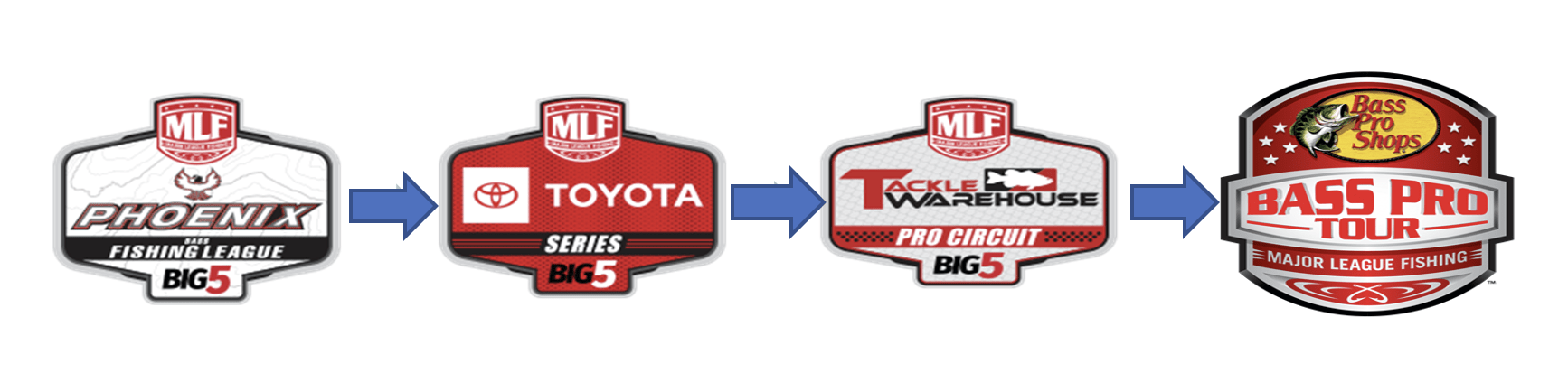
While the Bassmaster Elite Series and Tackle Warehouse Pro Circuit (formerly known as FLW Tour) have existed for years, the Bass Pro Tour is finishing up its third season. To qualify for the Tackle Warehouse Pro Circuit, an angler must place in the top 5 in his or her division standings through the Toyota Series. If an angler is already qualified for the Pro Circuit, they will keep working down the list until the spots are filled. To qualify for the Bass Pro Tour, an angler must place top 10 in the Pro Circuit Angler of the Year standings.


Path 3: National Professional Fishing League (NPFL)

  As mentioned before, this is a new professional tournament trail that is just finishing up its inaugural season, and there are no qualifications that are needed to compete in this trail, nor are there any advancement opportunities for higher levels through this trail. So how do you enter? Well, it was a first-come first-serve basis when they started accepting applications for 2021 and it costs $30,000 to enter. The first-place prize money is $50,000 per tournament. Applications are closed for the 2022 season, but more information about applying to compete in the 2023 season is to be determined.